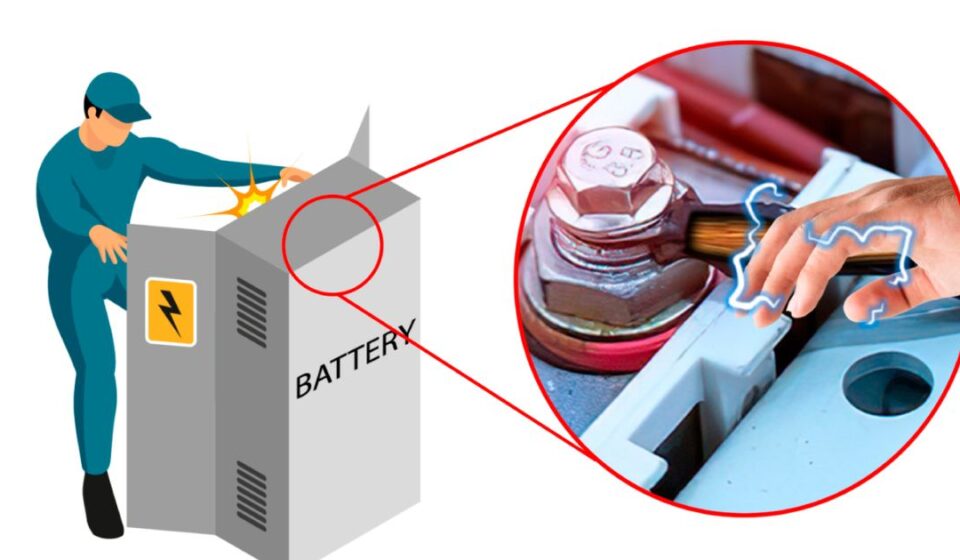

High-hazard battery work requires steady attention throughout each shift. Fire risks can increase when batteries charge or when equipment develops faults.
Trained staff help identify unusual heat or smoke before conditions worsen. Their presence also gives workers a clear point of contact when something changes. A planned battery warehouse fire watch arrangement helps maintain consistent supervision during daily operations.
Why Does Battery Work Need Attention?
Battery facilities handle stored energy that requires careful monitoring. Charging equipment can generate heat when components malfunction. Damaged cells may release flammable gases that create additional hazards. Workers who recognise these warning signs can report concerns without delay.
Supervisors should explain the risks associated with each work area. Staff need to understand normal equipment behaviour before they can identify unusual changes. Clear instructions help everyone follow established safety procedures during routine duties.
Which Duties Require Regular Checks?
Observation duties depend on the equipment being used and the activity taking place. Assigned personnel should remain focused on their designated areas. Their work involves checking visible conditions and informing supervisors when something needs attention.
Inspect battery storage areas for signs of physical damage.
Observe charging equipment for unusual heat or smoke.
Report electrical faults through the approved communication process.
Keep access paths clear for authorised personnel.
Record inspection findings before handing duties to colleagues.
These checks help maintain reliable oversight during busy working hours. Supervisors can review records to identify recurring concerns and adjust inspection schedules when needed.
How Can Shift Changes Stay Organised?
Continuous coverage depends on a clear transfer of duties between employees. Incoming staff need accurate information about current activities and any unusual equipment readings. A brief handover helps them understand the conditions before taking responsibility.
The outgoing worker should explain unfinished checks and ongoing maintenance tasks. Written records can support this exchange by preserving important details. Supervisors should confirm that the next employee understands the assigned duties. Overlapping shift times can provide space for questions without interrupting observation.
What Keeps Charging Areas Under Supervision?
Charging areas need attention suited to their equipment and operating conditions. Staff should recognise unusual temperatures, damaged cables and unexpected sounds. Trained personnel providing battery warehouse fire watch services help identify potential hazards and report them promptly to designated contacts.
Workers should understand the limits of their authority. They can report concerns and follow instructions from authorised supervisors. Equipment shutdowns should follow approved procedures. Clear responsibilities help employees act with confidence while protecting nearby workers.
How Can Daily Safety Practices Improve?
Consistent preparation helps employees carry out their duties with greater confidence. Supervisors can review inspection records to understand recurring problems. Training sessions also help staff recognise warning signs and follow workplace instructions.
- Display contact details where assigned workers can find them quickly.
- Check monitoring equipment according to the approved schedule.
- Practise reporting procedures during planned staff training sessions.
- Keep protective equipment accessible to authorised personnel.
- Review inspection notes to improve future work routines.
Staffing plans should reflect changing workloads and maintenance activities. Supervisors may assign additional personnel when battery handling increases the need for observation. Regular reviews help keep responsibilities clear throughout operating hours.
Managers can strengthen daily oversight through suitable training and clear written instructions. Regular equipment checks help workers recognise changes early. Consistent communication keeps essential information available throughout every shift. These measures support safer working conditions while helping employees carry out their duties with confidence.
FAQ
Why do battery facilities need continuous staff observation?
Regular observation helps workers recognise unusual conditions and report concerns promptly.
Who should monitor battery charging areas during operations?
Trained personnel should monitor assigned areas under approved workplace procedures.
What information belongs in a battery inspection record?
Records should include observed conditions, reported concerns and completed checks.

Wellcome to celebbeacon, I am professional content witer with 3 years of experience.